SILENCE FEEDS AUTHORITARIANISM
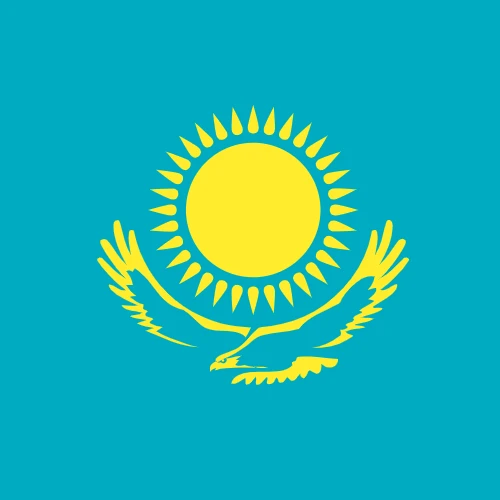
Kazakhstan
Kazakhstan is a presidential republic in Central Asia. Since gaining independence in 1991, the country has developed a governance model dominated by a strong presidency and centralized political power.
The capital is Astana; the official language is Kazakh.
Political system and governance
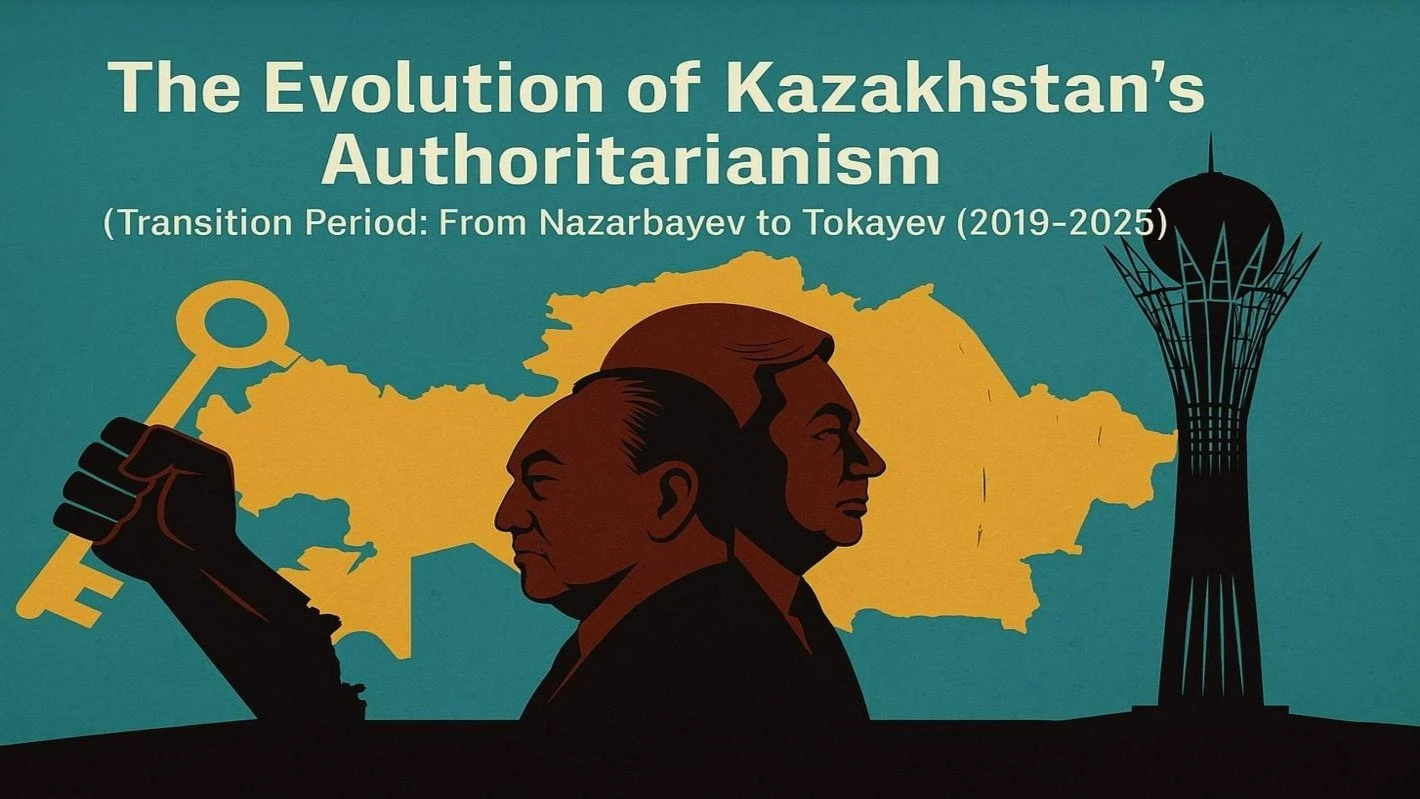
Kazakhstan’s political system is marked by dominant executive authority and limited institutional checks and balances.
The president has historically served as the primary decision-maker, and the political environment remains characterized by a hierarchical, centralized power structure.
Although recent constitutional reforms signal controlled liberalization, the system retains key features of a hybrid authoritarian regime.
Human rights and civil society
Civil society operates under restrictive regulatory controls, strict financial reporting requirements, and political pressure.
Freedom of assembly and expression is tightly restricted, and protests often face administrative or police intervention.
The Ombudsman institution exists but its independence and effectiveness are limited.
Economy and key indicators
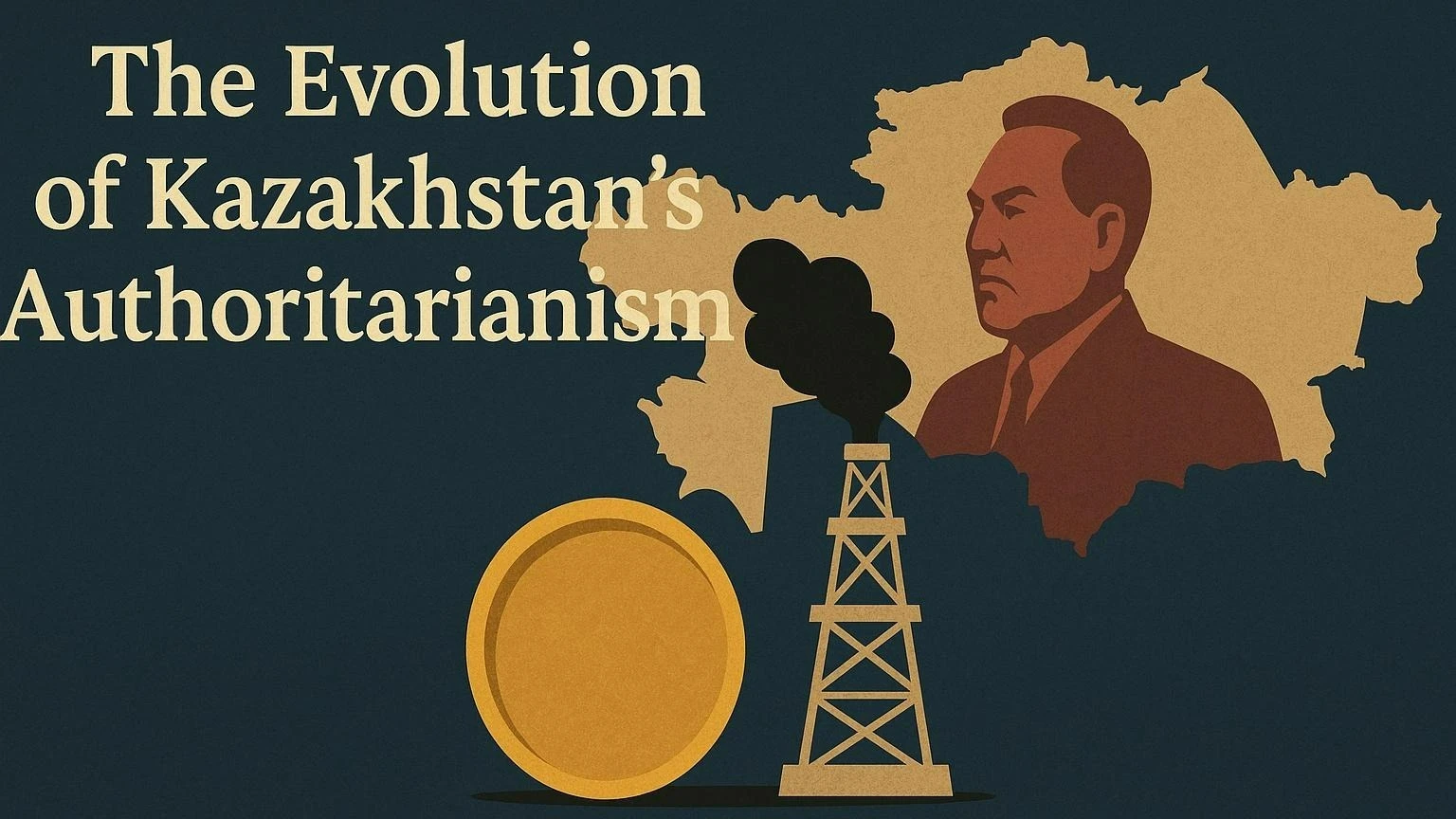
Kazakhstan’s economy relies heavily on oil, gas, and uranium, creating resource dependence that reinforces elite dominance and state control.
State-owned enterprises and oligarchic networks shape economic governance, often overlapping with political authority.
The national currency is the tenge. Most foreign investment is concentrated in the extractive sector.
Regional relations and foreign policy
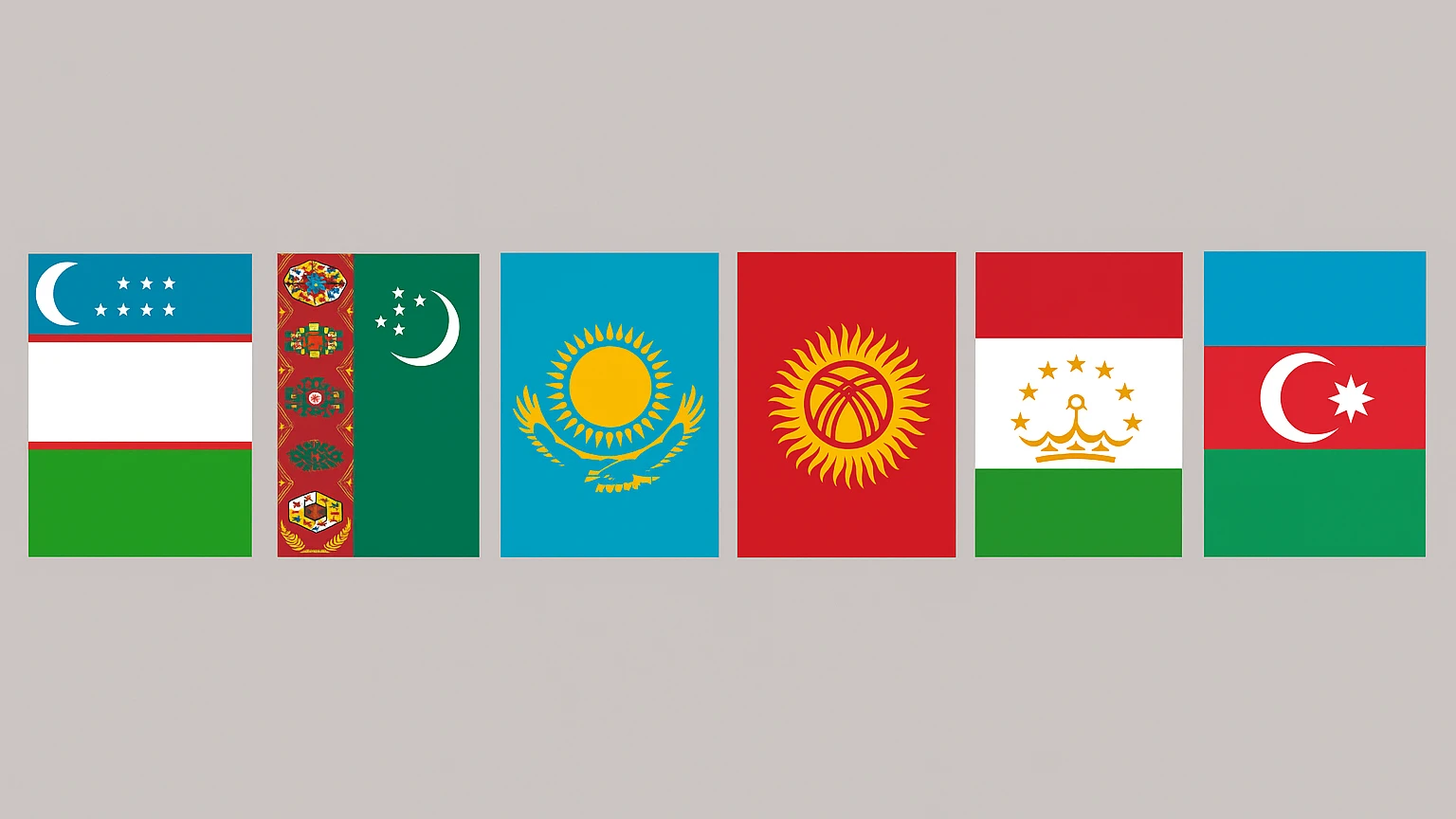
Kazakhstan pursues a balanced “multi-vector” foreign policy, maintaining cooperation with Russia and China while also developing stable relations with the EU and the United States.
Its participation in the Eurasian Economic Union strengthens its regional role.
Strategic transit routes, including the Middle Corridor, further elevate its geopolitical significance.
Challenges and prospects
- Ensuring consistent political reforms and strengthening institutional checks
- Creating a more enabling environment for civil society
- Advancing human rights protection in line with international standards
- Reducing economic reliance on natural resources
- Maintaining diplomatic balance among major regional powers