SILENCE FEEDS AUTHORITARIANISM
Uzbekistan
Uzbekistan is a presidential republic in Central Asia with a highly centralized political system. Since independence, the state has maintained an authoritarian governance model built around strong executive power and limited political pluralism.
The capital is Tashkent; the official language is Uzbek.
Political system and governance
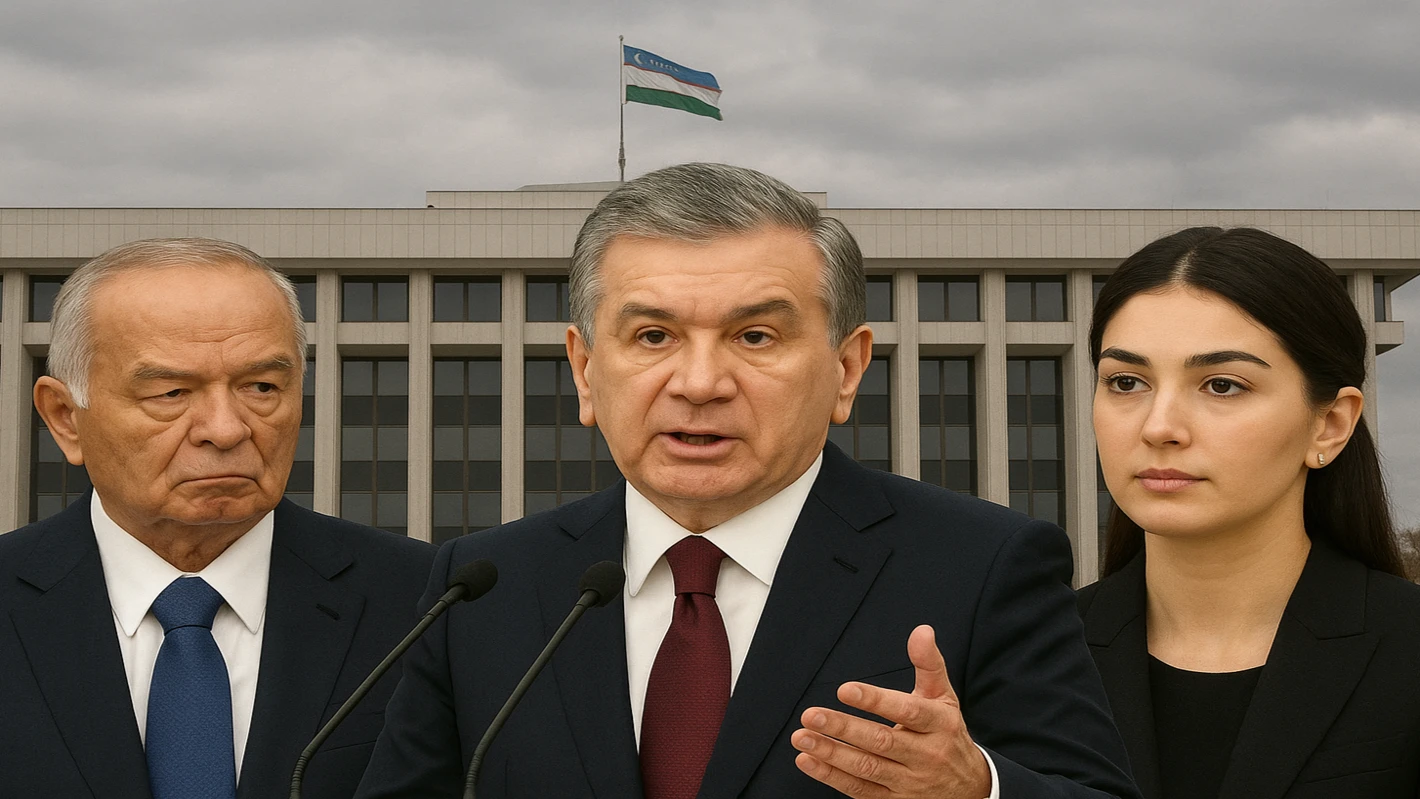
Uzbekistan’s political system is defined by the concentration of power in the presidency, strict control over state institutions, and the absence of meaningful political competition.
While a parliament and multiple parties exist, they operate under state influence and do not challenge the ruling elite.
Constitutional reforms focus on reinforcing regime stability rather than enabling genuine democratization.
Human rights and civil society
Civil society faces strong restrictions: NGOs must comply with stringent registration requirements, reporting obligations, and operational limitations.
Freedom of expression is heavily restricted, and the media landscape is dominated by state-controlled outlets.
Protests are often prohibited or dispersed by security forces.
The Ombudsman institution exists but lacks the independence and authority required to act effectively.
Economy and key indicators
Strategic sectors such as natural gas, cotton, and industry remain under state control or in the hands of politically connected groups.
Economic decision-making is centralized, and resource distribution is tied to political loyalty.
Market reforms are ongoing but do not fundamentally alter the authoritarian nature of economic governance.
Regional relations and foreign policy
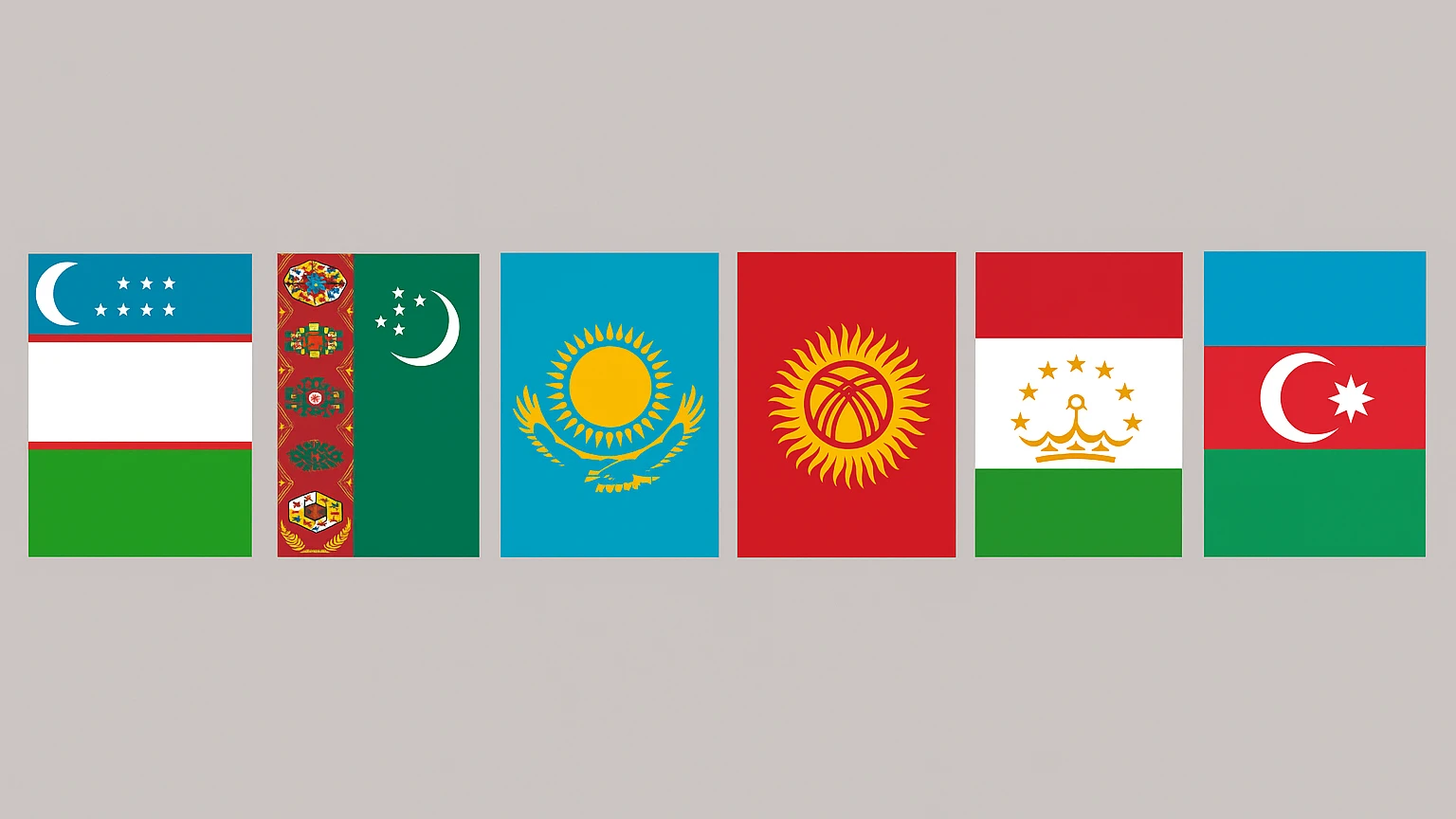
Uzbekistan pursues a multi-vector, risk-averse foreign policy.
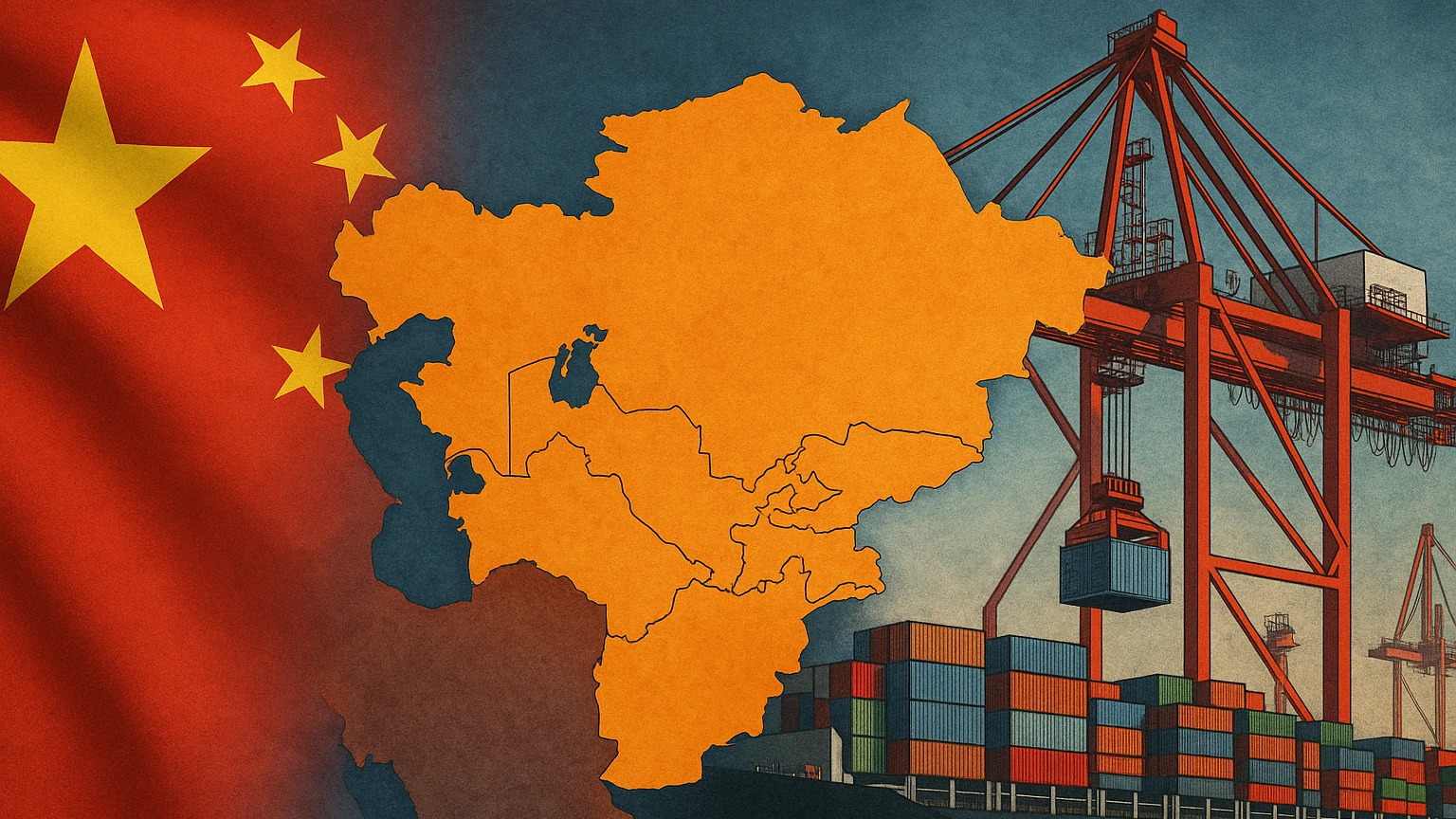
Close ties with Russia and China contribute to regime security and political continuity.
Relations with Western countries are shaped by economic cooperation, though human rights concerns limit deeper engagement.
Regional security and border stability remain key priorities.
Challenges and prospects
- Lack of institutional independence and meaningful political competition
- Persistent restrictions on media and civil society
- Economic inefficiency linked to state dominance and patronage networks
- Structural human rights issues
- Vulnerability to geopolitical pressures from major regional powers