SILENCE FEEDS AUTHORITARIANISM
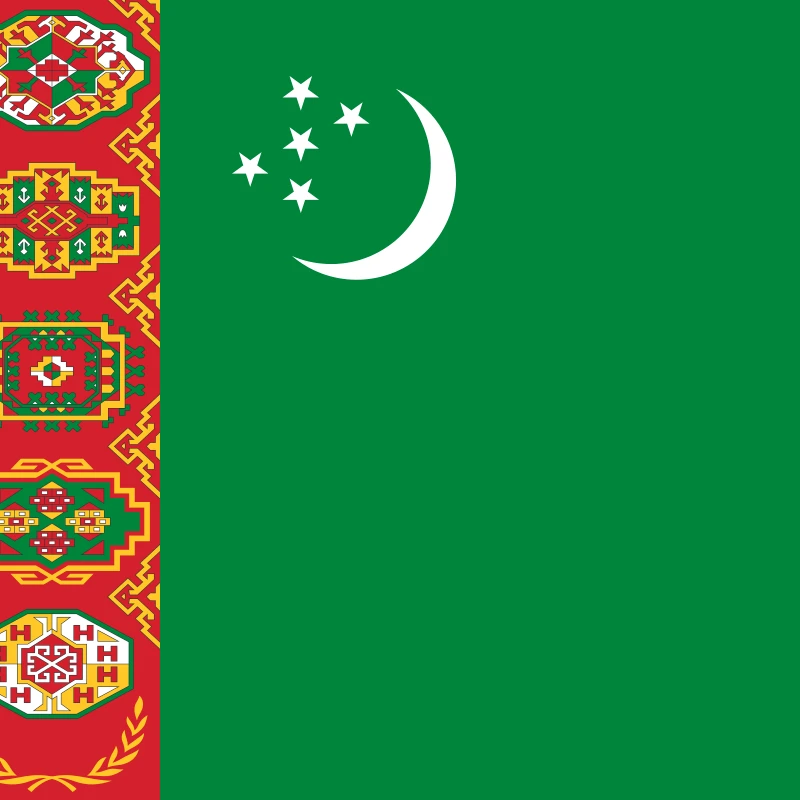
Turkmenistan
Turkmenistan is officially a presidential republic in Central Asia, but in practice it is one of the most closed and rigid authoritarian regimes in the world.
Since independence in 1991, the country has maintained a hyper-centralized political order built around personalized rule and strong ideological control.
The capital is Ashgabat; the official language is Turkmen.
Political system and governance
Turkmenistan’s political system functions as a single-party, authoritarian structure.
The president controls all branches of power, while parliament and state institutions serve primarily symbolic roles.
There is no genuine political competition, no independent parties, and elections are non-competitive and tightly managed.
The current leadership continues the legacy of personality cults established by previous rulers.
Human rights and civil society
The country maintains one of the most repressive civic environments globally.
Independent NGOs are virtually non-existent due to legal barriers and constant state surveillance.
Media is fully state-controlled, the internet is heavily censored, and alternative information channels are systematically blocked.
Freedoms of expression, assembly, and movement are extremely restricted.
Reports of political prisoners, enforced disappearances, and opaque detentions remain widespread.
Economy and key indicators
Turkmenistan’s economy is dominated by the state and relies heavily on natural gas exports.
Revenue distribution lacks transparency, and economic management exhibits kleptocratic traits.
Despite vast natural resources, unemployment, poverty, and inflation remain significant challenges for the population.
The manat is the national currency; foreign exchange operations are tightly restricted.
Regional relations and foreign policy
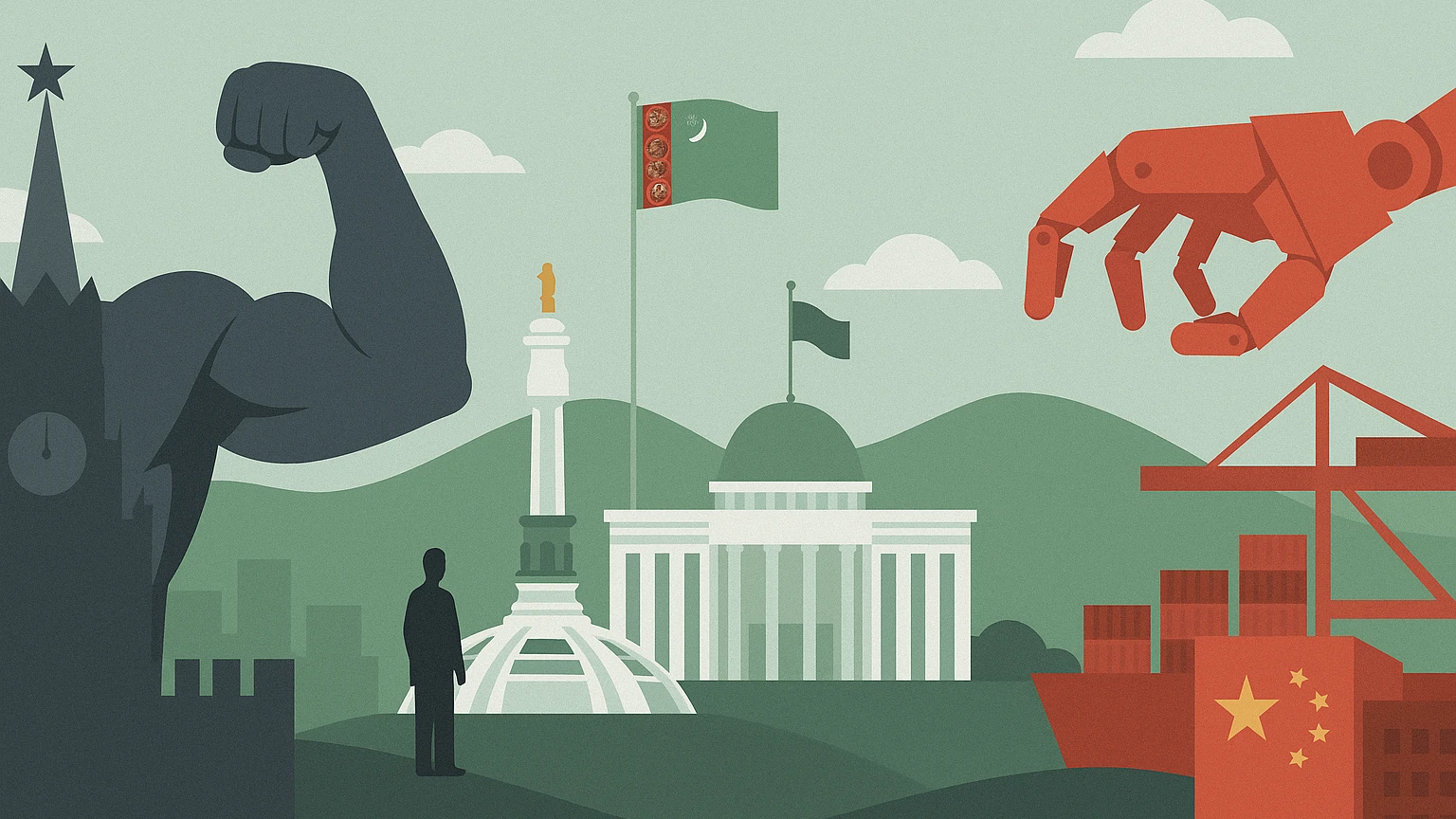
Turkmenistan maintains an official policy of “permanent neutrality,” limiting both regional engagement and external cooperation.
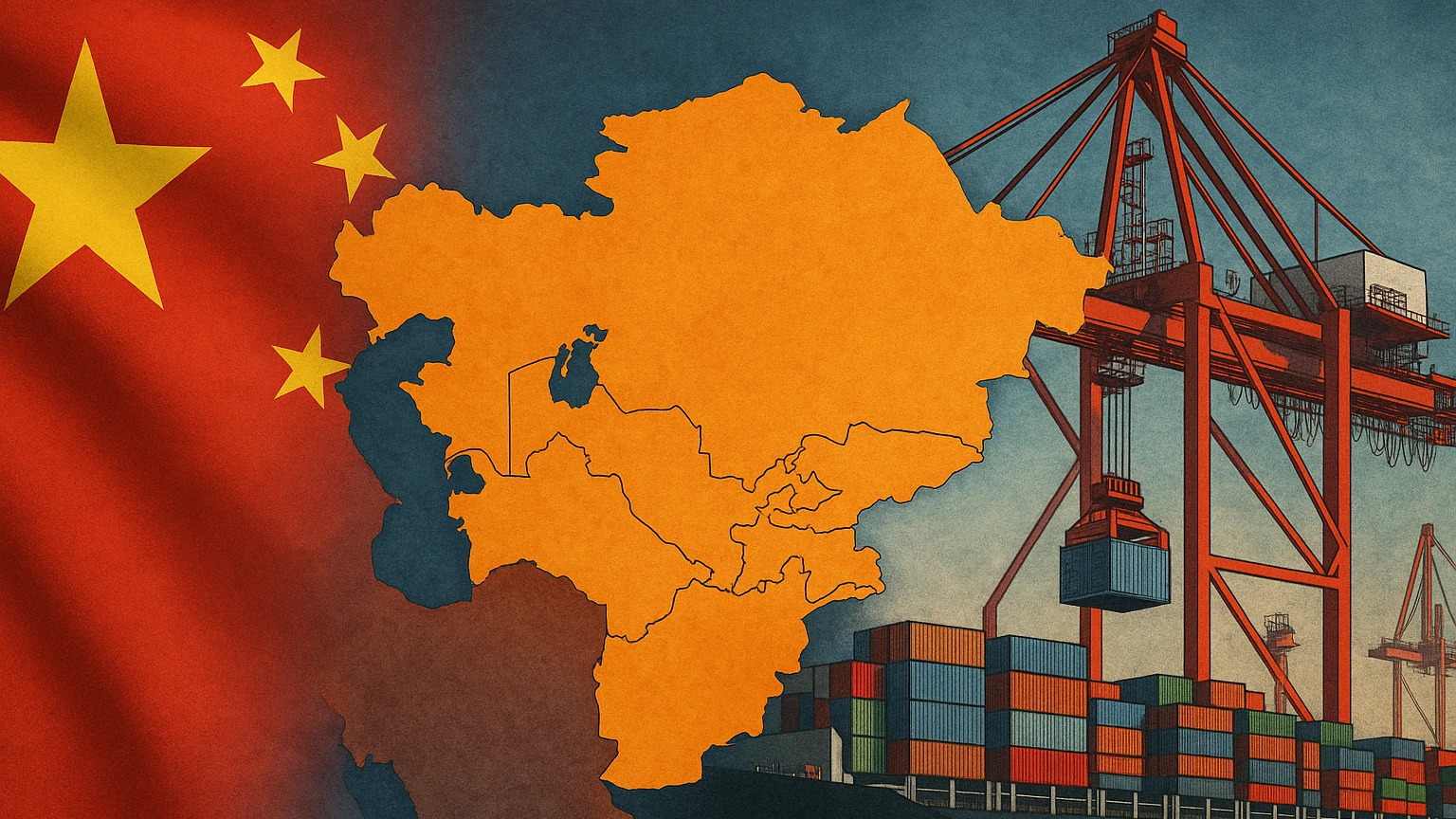
Russia and China are the main partners in the gas sector, creating significant economic and political leverage over the country.
Because of its isolated governance model, Turkmenistan’s foreign policy remains narrow and tightly controlled.
Challenges and prospects
- A closed political system with no institutional oversight
- Systemic human rights abuses and lack of accountability
- Economic vulnerability due to overdependence on natural gas
- Widespread corruption and opacity in governance
- Growing dependence on external actors amidst regional isolation