SILENCE FEEDS AUTHORITARIANISM
Turkiye
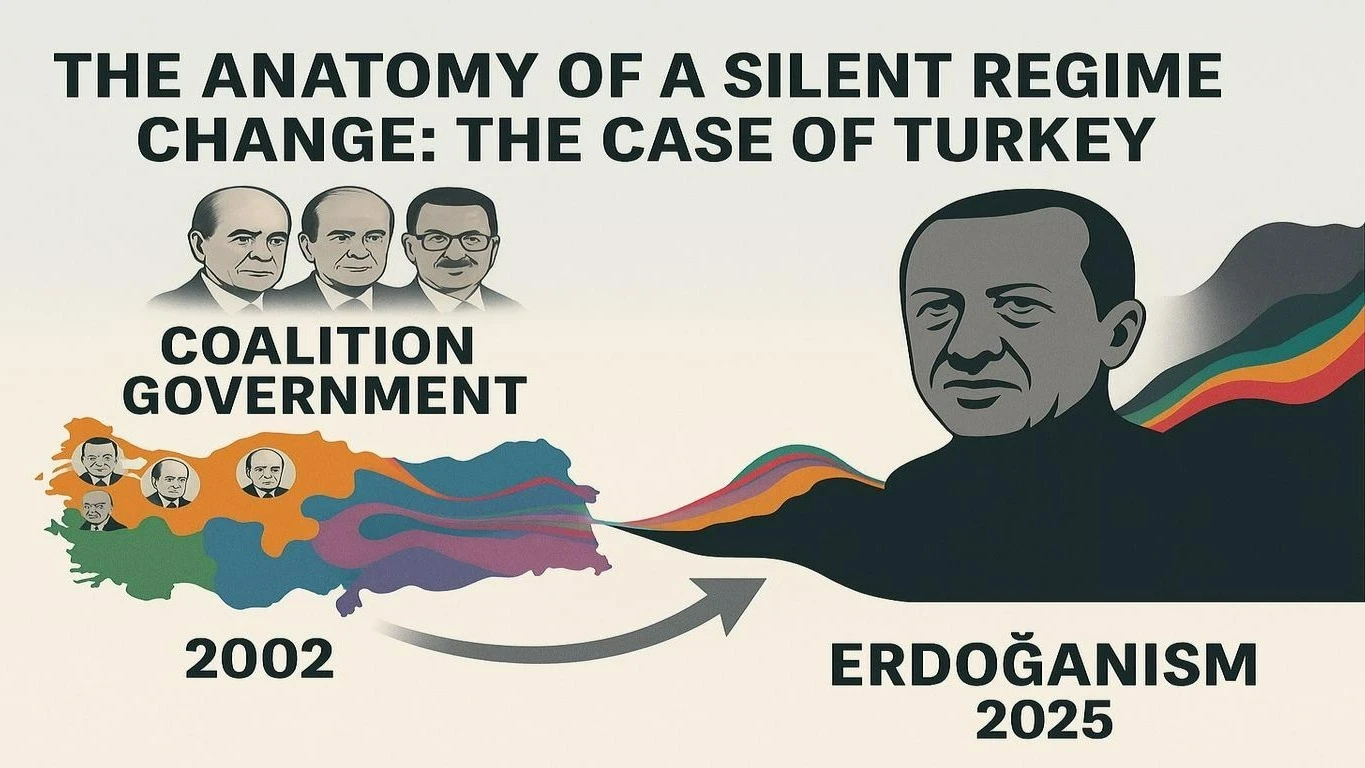
Turkiye is a presidential republic, and in recent years the political system has become increasingly centralized, with executive power gaining greater influence.
After the 2016 coup attempt, security-oriented governance expanded, affecting the balance of state institutions.
Political system and governance
The 2017 constitutional reforms established an executive presidential system, significantly strengthening presidential powers.
As a result:
- Parliament’s oversight capacity decreased
- Judicial independence is subject to debate
- Political decision-making is more centralized
Political competition remains, yet opposition parties often operate within a restricted environment, especially regarding local administration and legal processes.
Human rights and civil society
Post-2016 security policies led to closures of some NGOs and limitations on certain civil society activities.
Media ownership structures and political influence over media have increased, affecting press freedom.
Nonetheless, Turkiye retains an active civil society landscape, and numerous human rights organizations continue to operate.
Economy and key indicators
Turkiye has a diversified economy, but recent economic governance has been influenced by political considerations.
Debates over Central Bank independence and interest-rate policies have contributed to inflation and currency volatility.
Despite these challenges, Turkiye remains an important industrial, energy, and logistics hub in its region.
Regional relations and foreign policy
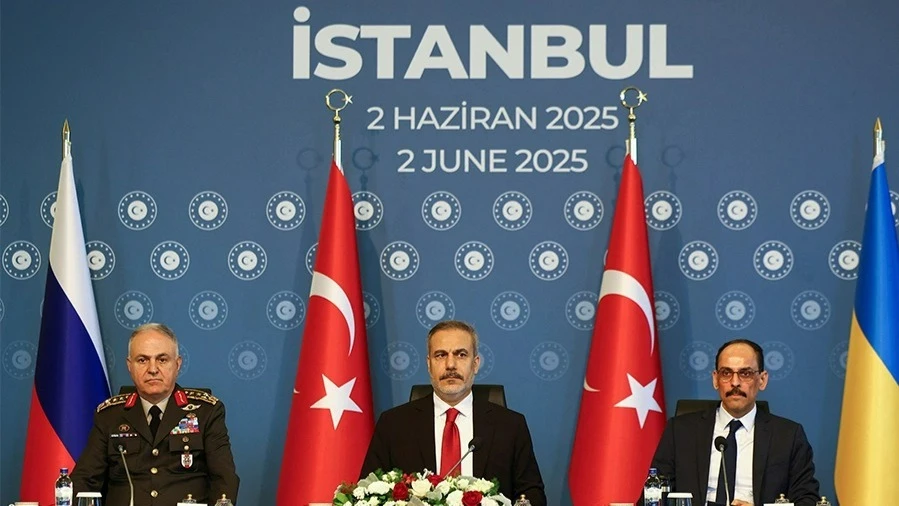
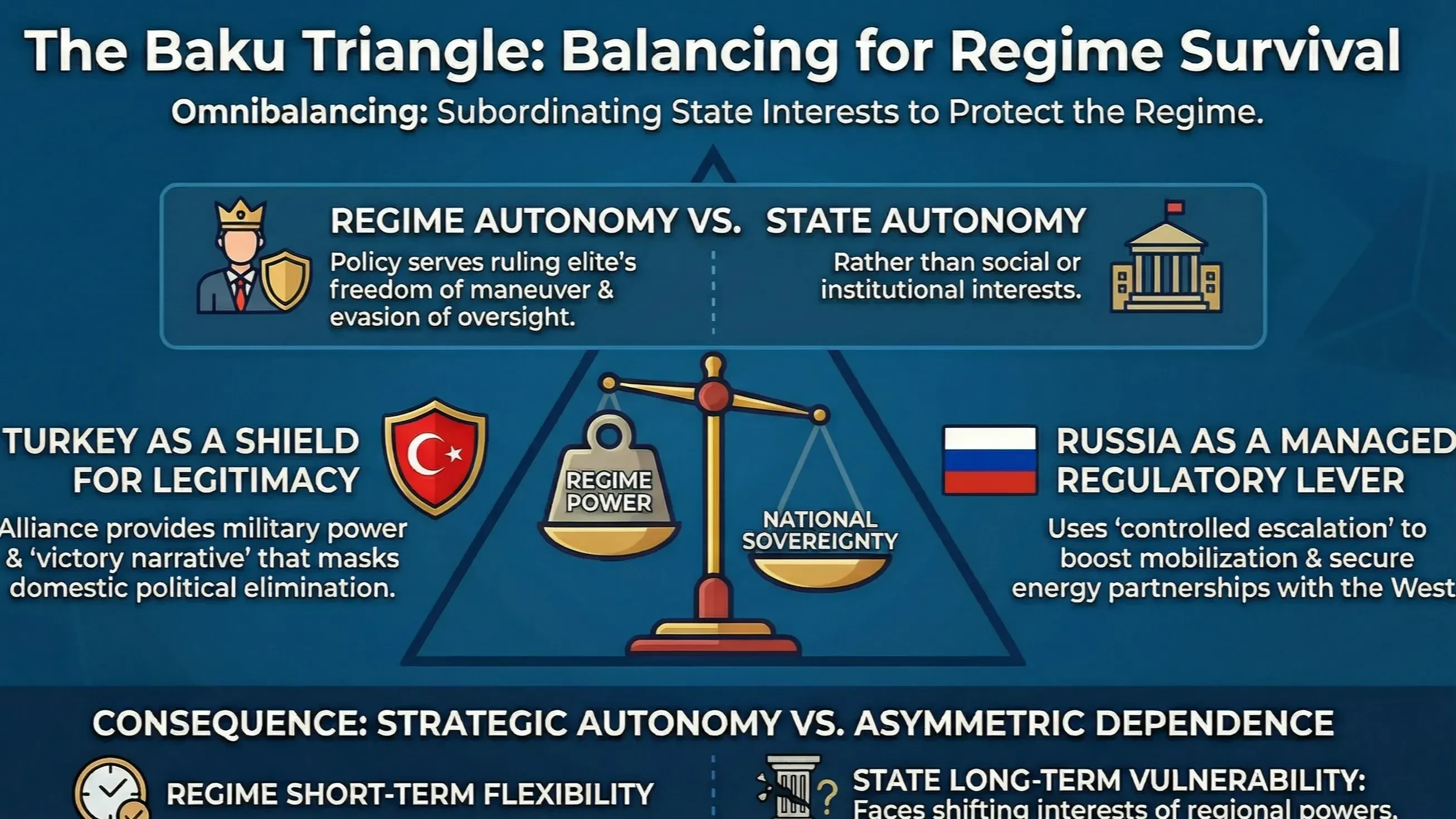
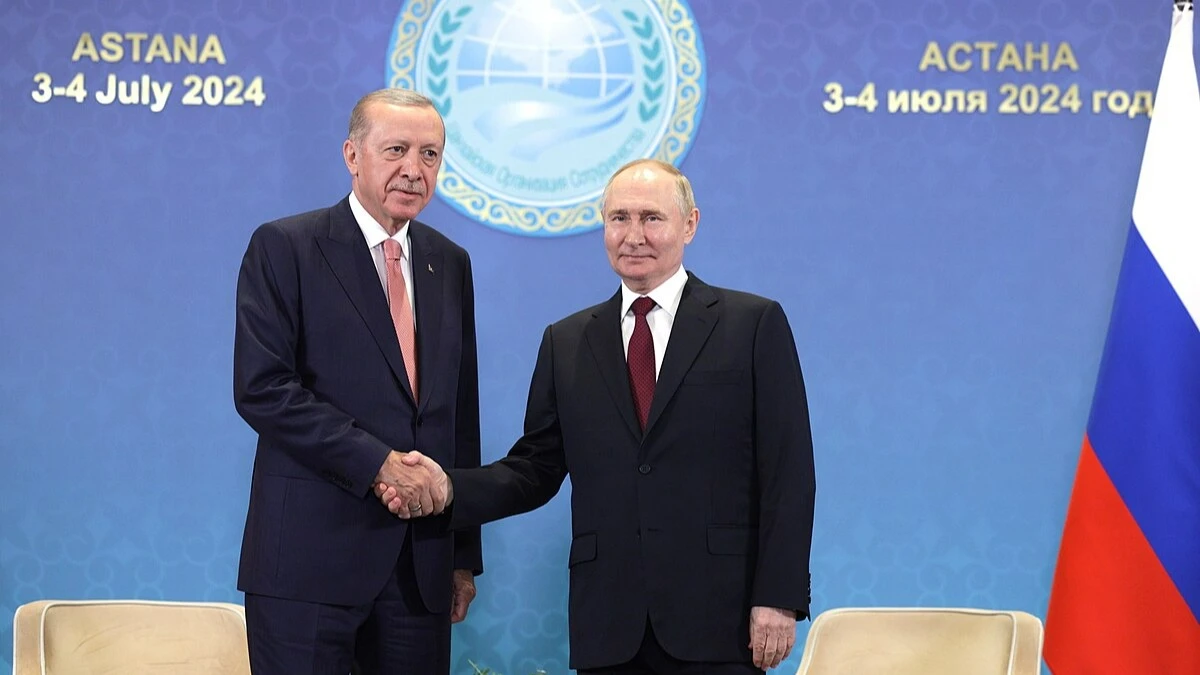
Turkiye conducts a multi-vector foreign policy: maintaining cooperation with NATO while engaging pragmatically with Russia, the Middle East, and the Caucasus.
Its involvement in Syria, Libya, and the Eastern Mediterranean shapes regional dynamics significantly.
Foreign policy decisions are at times linked to domestic political considerations.
Challenges and prospects
- Restoring institutional checks and balances
- Improving the environment for media and NGOs
- Enhancing economic predictability and institutional independence
- Navigating geopolitical tensions between the West and Russia
- Reducing domestic polarization