SILENCE FEEDS AUTHORITARIANISM
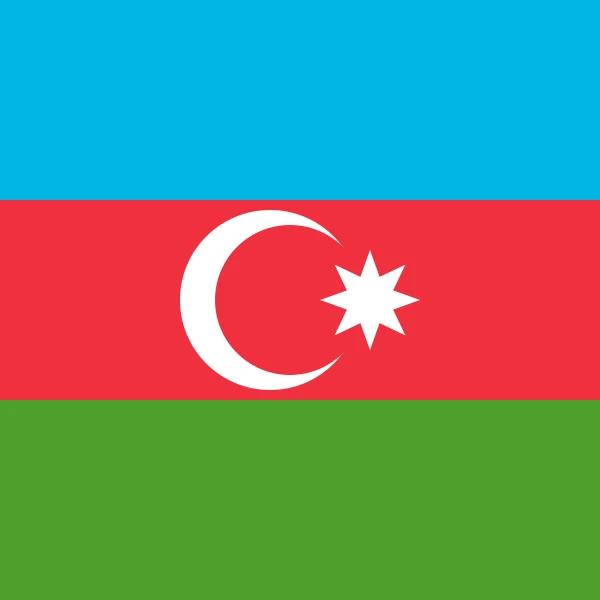
Azerbaijan
Azerbaijan is formally a presidential republic but functions as a consolidated authoritarian regime.
Political power is concentrated within the ruling family and a tightly controlled elite network.
The capital is Baku; the official language is Azerbaijani.
Political system and governance
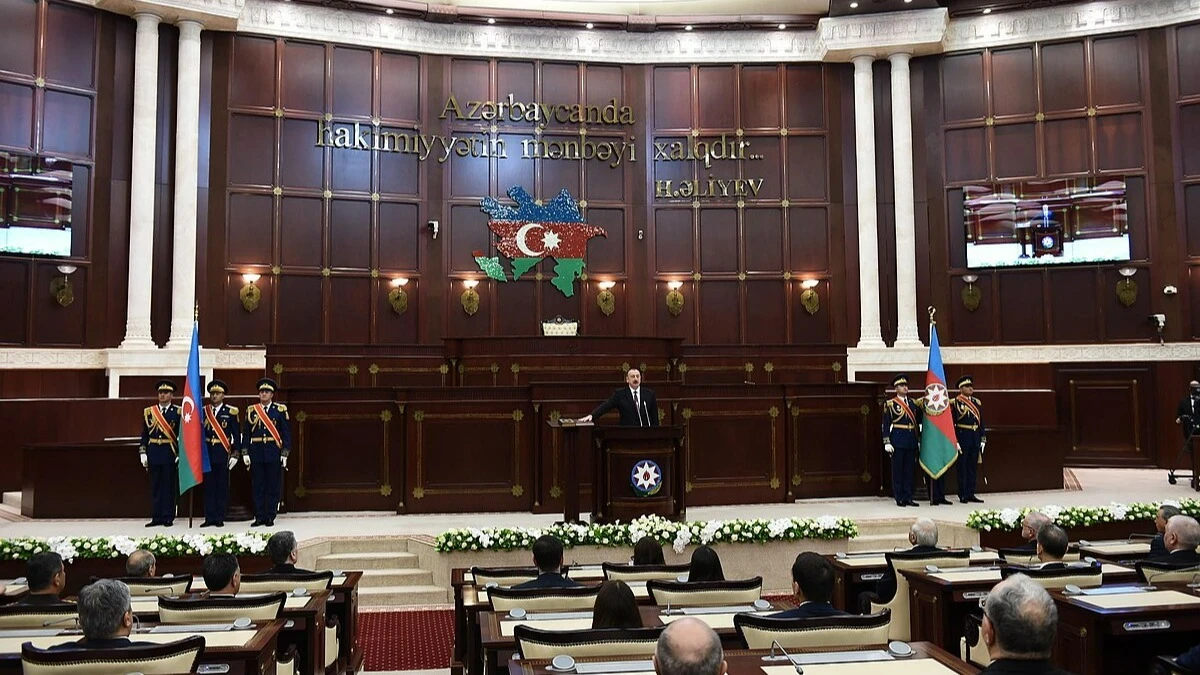
Azerbaijan’s political system is defined by an overwhelmingly dominant executive, the absence of real political competition, and a parliament that plays only a symbolic role.
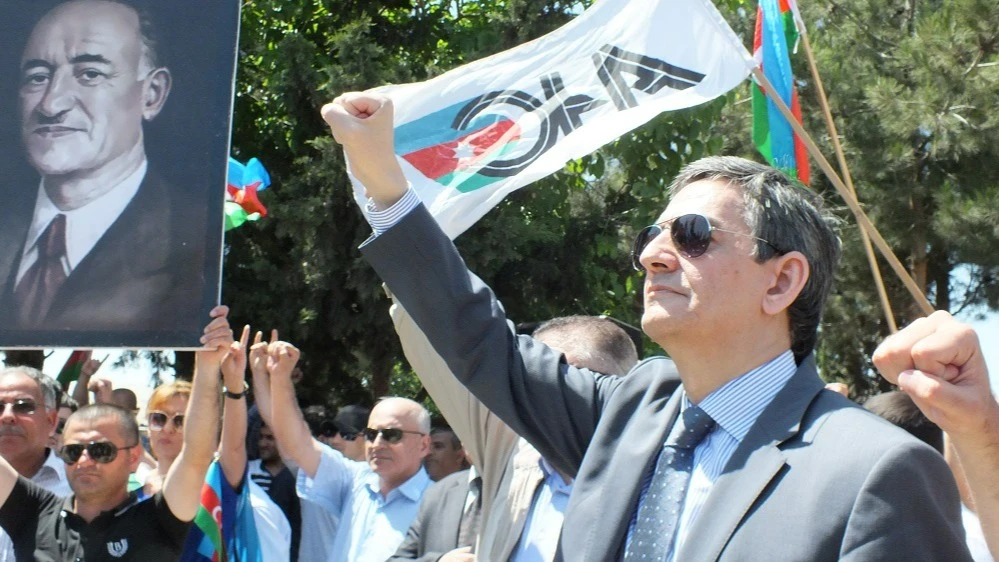
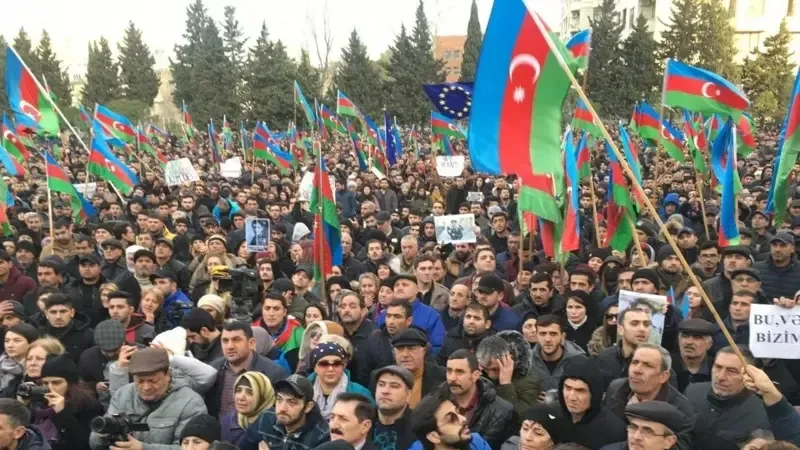
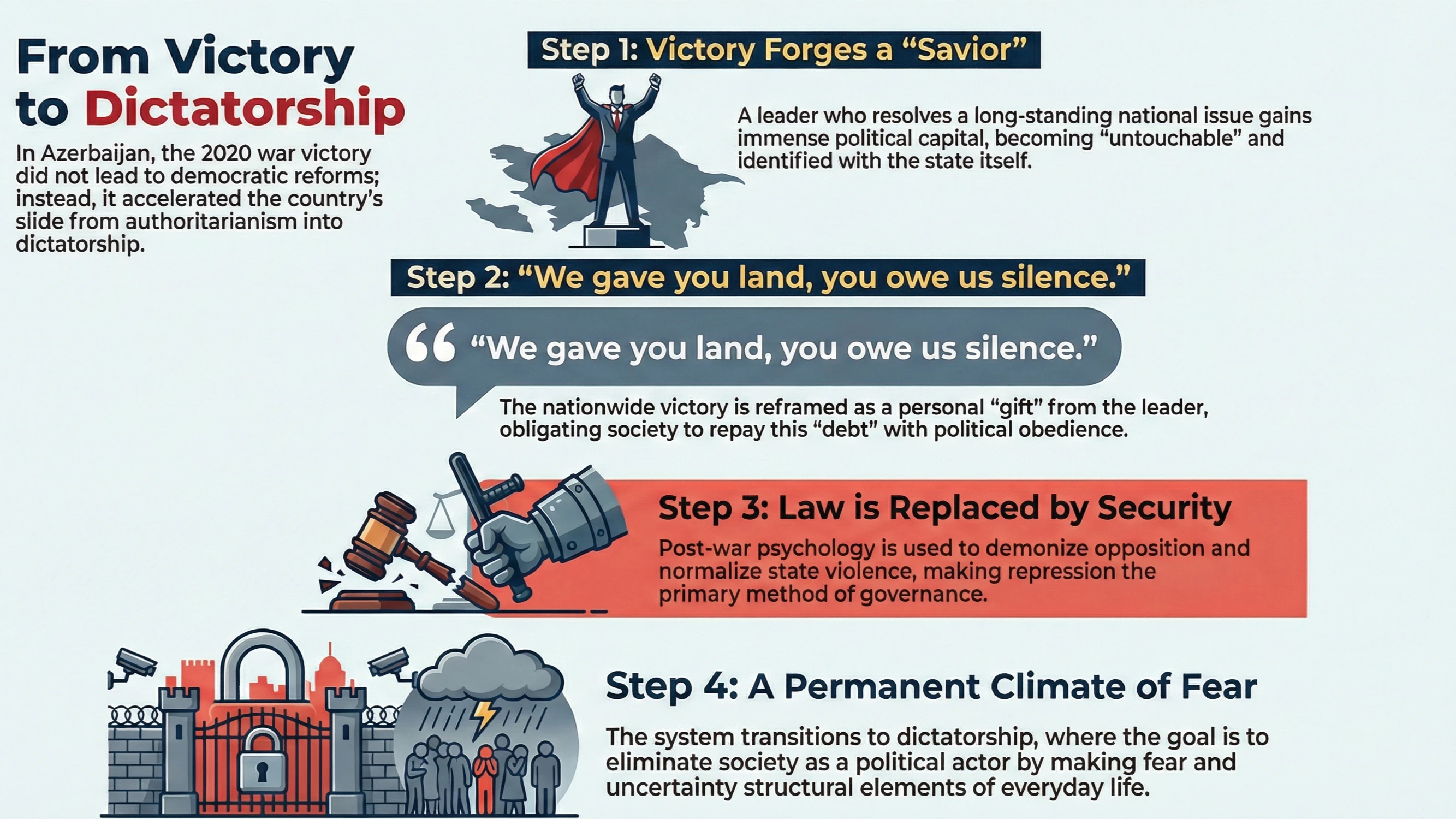
Elections are non-competitive and fail to meet international standards; opposition parties face legal, financial, and physical pressure.
Constitutional amendments have expanded presidential powers and entrenched a centralized power structure.
State security services exercise extensive influence over political and public life.
Human rights and civil society
Civil society has been systematically dismantled over the past decade.
NGO registration, funding, and operational frameworks are tightly controlled, effectively paralyzing independent activity.
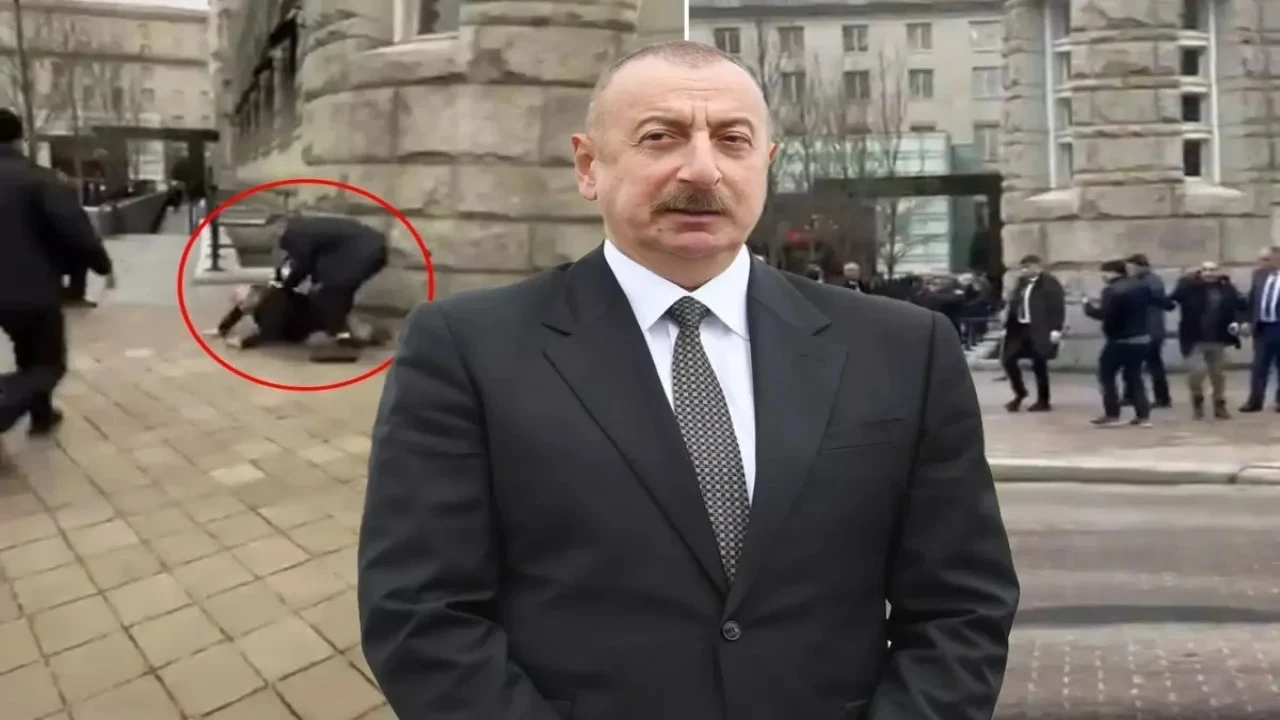
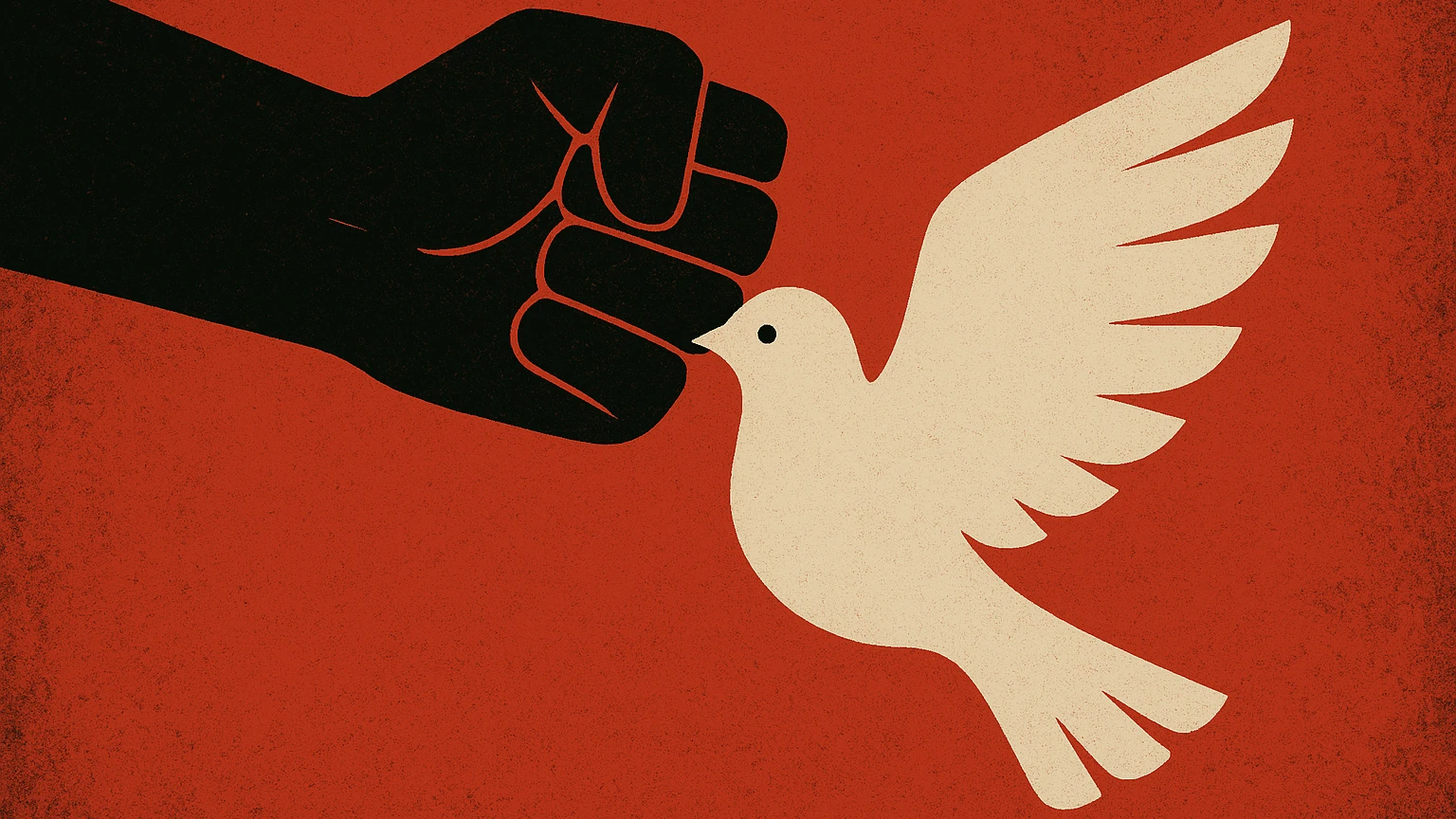
Widespread arrests of journalists, activists, and political opponents — especially the mass detentions of 2023–2024 — illustrate the depth of repression.
Independent media are almost entirely eliminated; remaining outlets operate under heavy censorship.
Reports of political prisoners, blackmail, torture allegations, and digital surveillance are persistent.
Economy and key indicators
Azerbaijan’s economy relies heavily on oil and gas revenues, reinforcing elite control over economic resources.
Rent-based income structures strengthen the authoritarian model by tying financial flows to political loyalty.
Corruption, limited transparency, and oligarchic ownership patterns are deeply entrenched.
Regional relations and foreign policy
Azerbaijan follows a pragmatic, interest-driven foreign policy rooted in energy diplomacy.
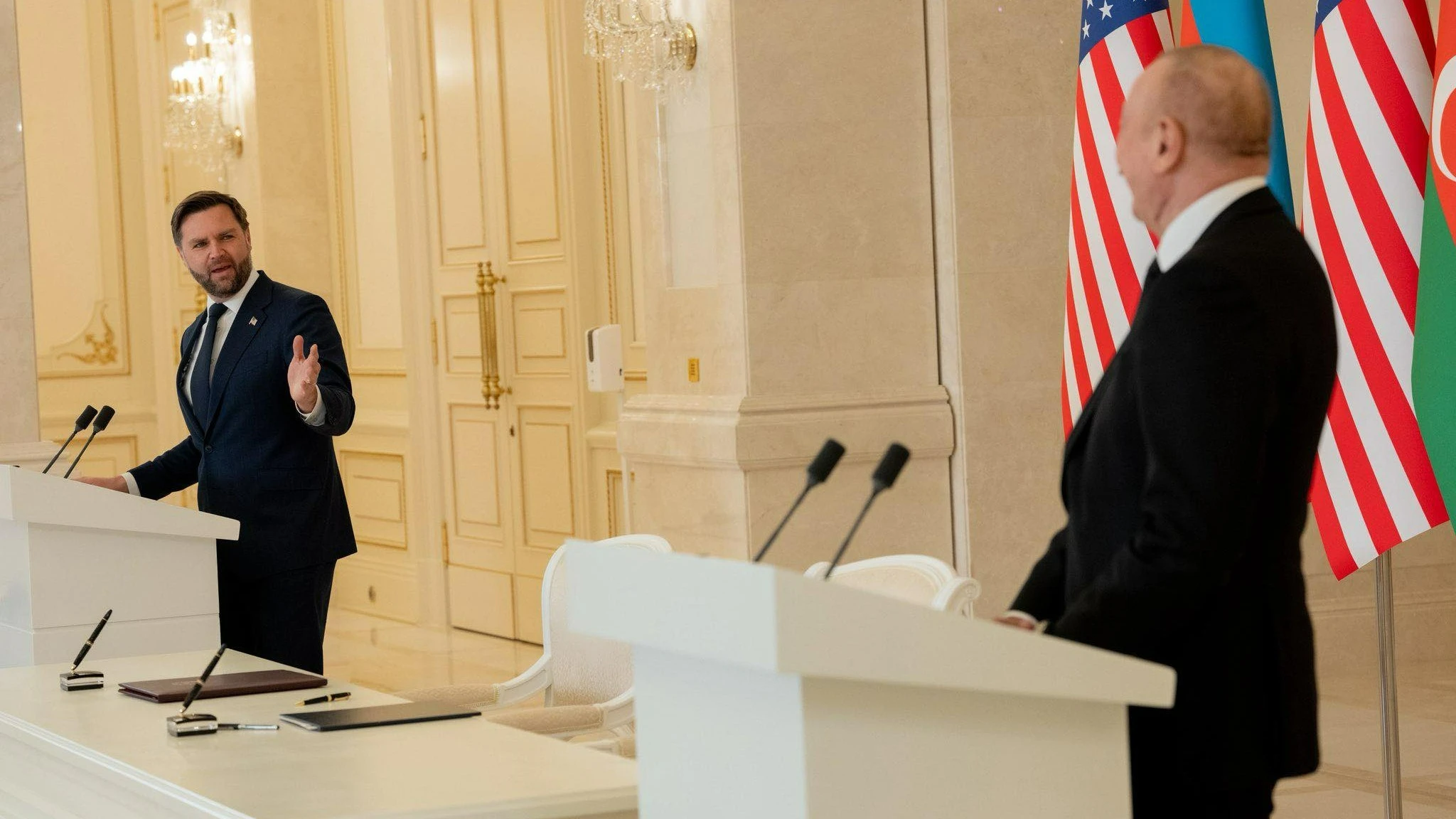
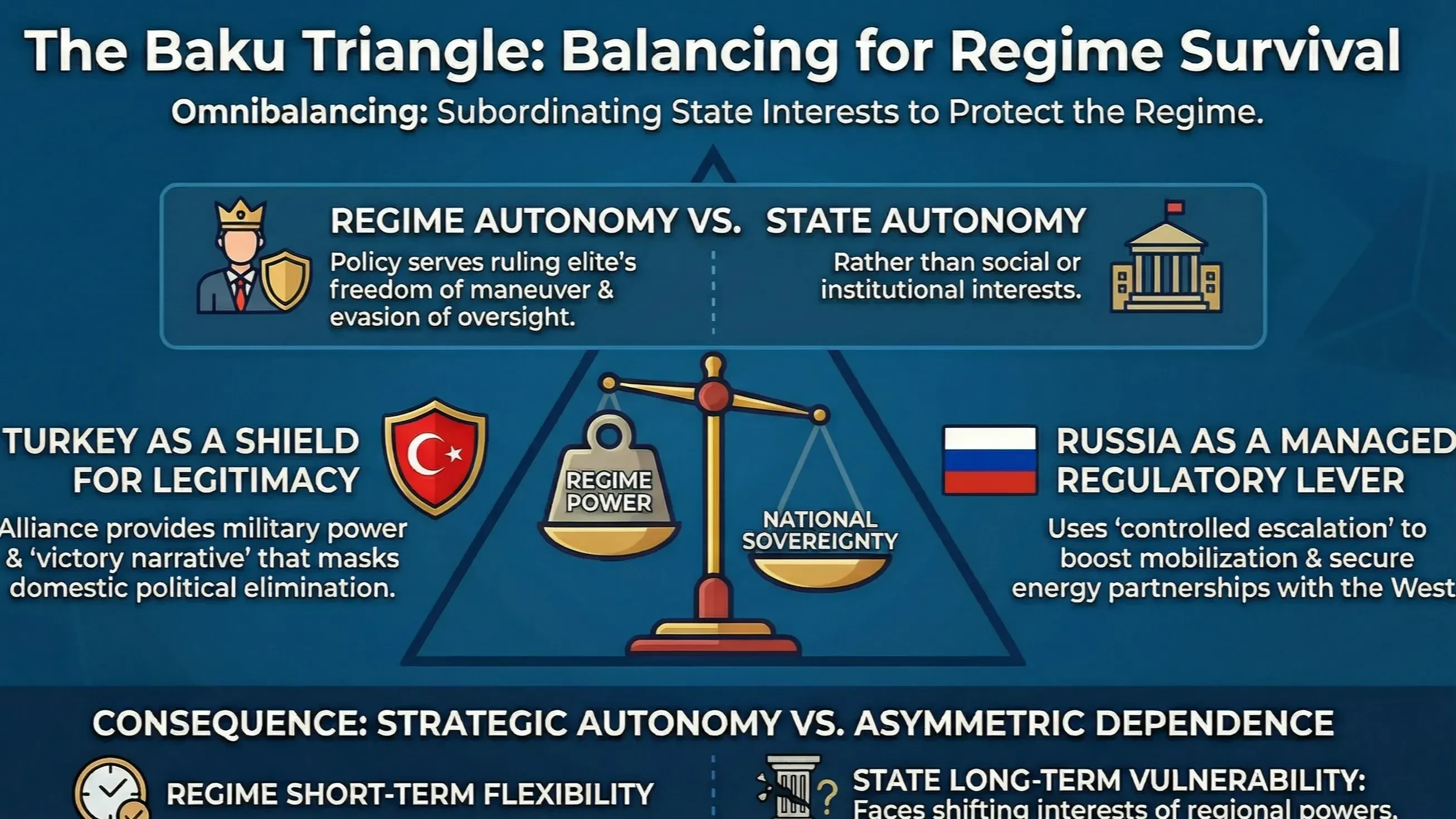
Strategic partnerships with global actors often shield the government from human rights criticism.
In the South Caucasus, military power and security narratives play a central role in legitimizing internal political control.
Challenges and prospects
- Lack of political pluralism and institutional independence
- Deepening repression and systemic human rights violations
- Economic vulnerability due to overdependence on hydrocarbons
- Suppressed civil society and controlled media environment
- Geopolitical balancing under shifting regional power dynamics