SILENCE FEEDS AUTHORITARIANISM
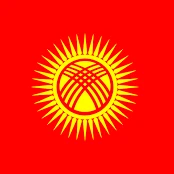
Kyrgyzstan
Kyrgyzstan was long viewed as the most pluralistic political system in Central Asia. However, following the 2020 political crisis, the country has undergone rapid authoritarian consolidation.
The capital is Bishkek; the official language is Kyrgyz, with Russian widely used.
Political system and governance
Since 2021, Kyrgyzstan has significantly expanded presidential powers, weakened parliament, and centralized political authority.
The president now dominates decision-making, while institutional checks have been dismantled.
What used to be a competitive political arena has transformed into a controlled political environment.
Constitutional reforms largely legitimized a shift toward a strong-presidency authoritarian model.
Human rights and civil society
Civil society is facing an unprecedented crackdown.
New restrictive laws target NGOs, including “foreign agent–type” regulations, severely limiting independent activity.
Journalists, media platforms, and activists face criminal prosecution, intimidation, and internet blocking.
The judiciary lacks independence, and security agencies have expanded their authority dramatically.
Economy and key indicators
Kyrgyzstan’s economy is heavily dependent on remittances and lacks diversification.
The state’s takeover of the Kumtor gold mine illustrated the government’s use of economic levers to consolidate political power.
Corruption, opacity, and politically motivated economic interventions reinforce authoritarian decision-making.
Regional relations and foreign policy
Border tensions (especially with Tajikistan), reliance on security alliances, and economic challenges shape the country’s external posture.
Kyrgyzstan maintains strong ties with Russia and China, while relations with Western partners are strained due to repression of civil society.
Membership in the CSTO increases Moscow’s influence over domestic and regional policy.
Challenges and prospects
- Rapid authoritarian consolidation and erosion of political institutions
- Systematic attacks on media and free expression
- Severe restrictions on NGOs and civil society
- High corruption and politicization of economic governance
- Regional instability and security dependence on external powers