SILENCE FEEDS AUTHORITARIANISM
Iran
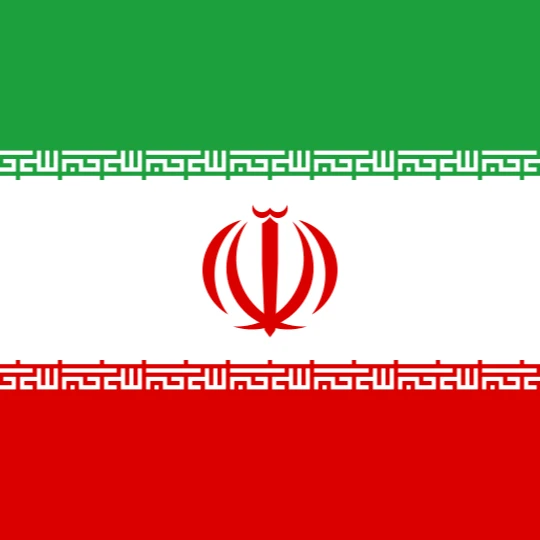
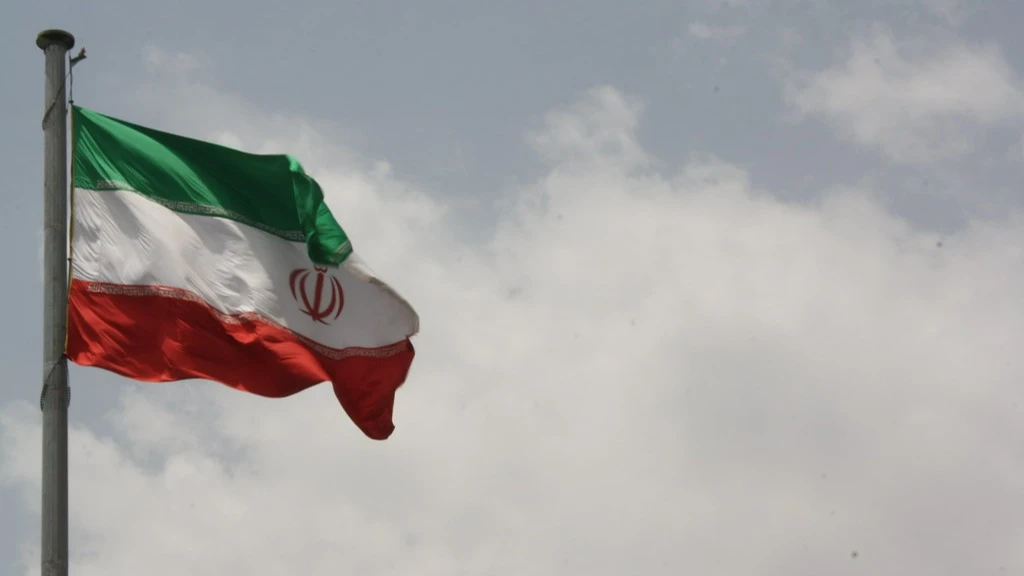
Iran is officially a presidential republic but in practice functions as one of the most consolidated and ideologically driven authoritarian regimes in the region.
The political system is built around the doctrine of Velayat-e Faqih (Guardianship of the Jurist), placing ultimate authority in the hands of the Supreme Leader.
Political system and governance
Political power is tightly controlled through a layered structure of clerical and security institutions:
- Supreme Leader wields overarching authority
- Guardian Council vets candidates and filters elections
- IRGC (Revolutionary Guard) dominates military, political, and major economic sectors
- Elections are tightly managed, with opposition largely excluded
The president and parliament hold limited authority compared to unelected bodies.
Human rights and civil society
Iran maintains one of the harshest human rights environments in the Middle East.
Key violations include:
- Widespread political imprisonment
- Severe restrictions on women’s rights
- Forceful suppression of protests
- Heavy censorship and internet shutdowns
- Systematic discrimination against minorities
After the 2022 Mahsa Amini uprising, repression intensified dramatically, with mass arrests and lethal force used against civilians.
Economy and key indicators
The economy is dominated by the state and IRGC-linked entities.
Primary challenges:
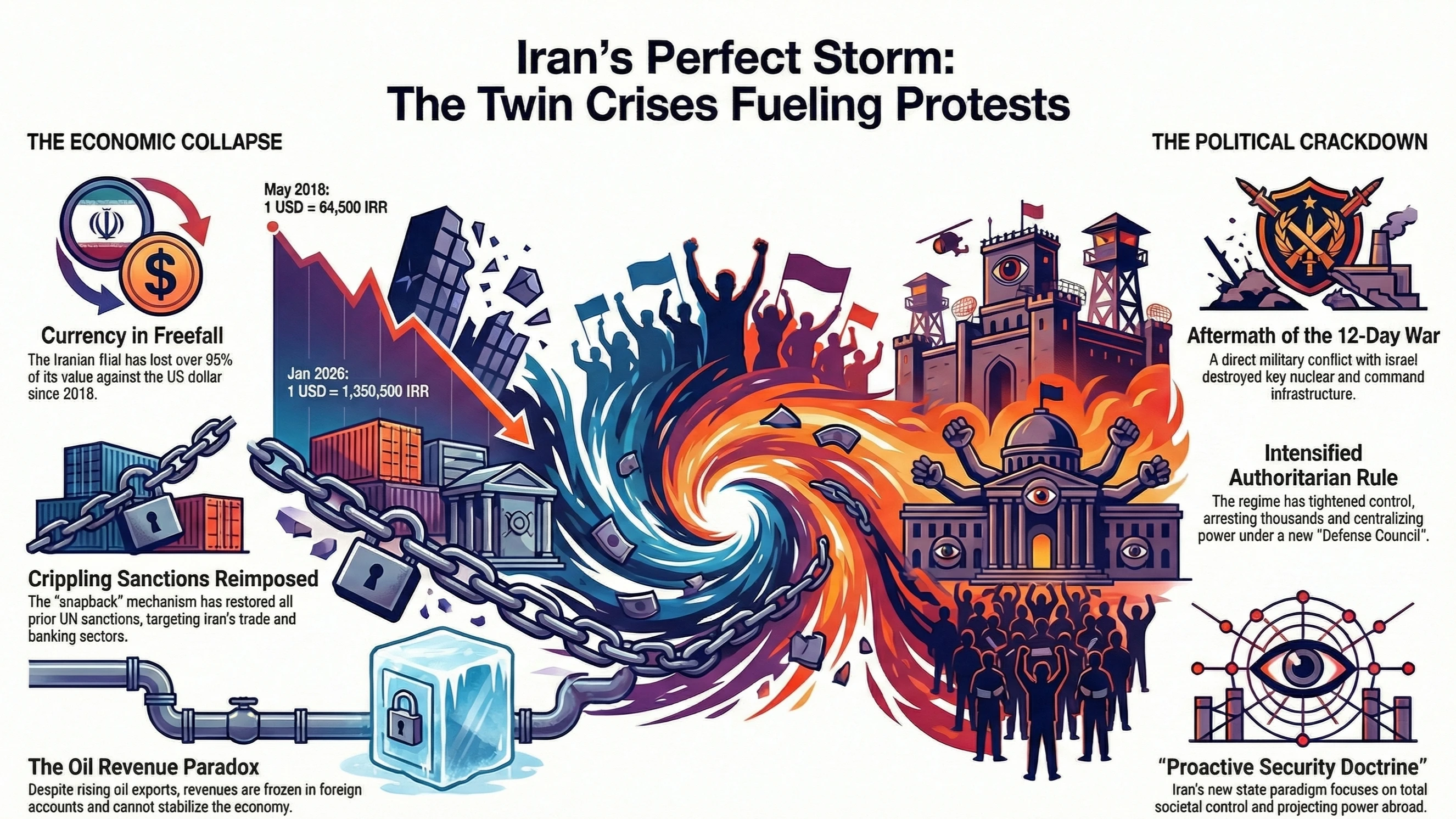
- Sanctions-induced stagnation
- Lack of transparency and high corruption
- Weak private sector
- Structural unemployment and poverty
- Concentration of resources in elite networks
Oil and gas revenues are insufficient to offset structural governance failures.
Regional relations and foreign policy
Iran pursues an assertive, security-driven foreign policy.
It uses proxy groups across the Middle East to extend its influence.
Relations with the U.S. and much of the West are adversarial, while Russia and China provide strategic support.
Regional conflicts are often leveraged for domestic regime consolidation.
Challenges and prospects
- Entrenched clerical-authoritarian governance
- Deepening human rights crisis
- Economic deterioration under sanctions
- Growing public dissent and generational tensions
- Risk of escalating regional confrontation